Why Premium Craft Cannabis Deserves a Spot in Your Routine
For years, the cannabis market leaned heavily on volume. Growers chased high yields above all else, and the result was often a product that worked but lacked character. Now a different approach is taking hold. Consumers are more educated, more selective, and they are looking for something beyond standard potency. They want complexity, origin stories, and a tangible connection to the people who grew the plant. That shift is where premium craft cannabis comes in.
When I first encountered a small-batch grower at a local market a few years ago, I was struck by the care in every detail. The flower was packed in glass jars with a handwritten note about the harvest date and the specific terpene profile. That kind of attention does not happen by accident. It comes from growers who treat cannabis as an art form, not a commodity. And that experience changed how I think about what I consume.
The Difference Starts in the Soil
Artisanal cultivation is not just a marketing term. It reflects real choices made long before the plant flowers. Growers who focus on premium craft cannabis often use organic methods that prioritize soil health, microbial activity, and natural pest management. Instead of pumping plants with synthetic nutrients to rush growth, these growers let the plant develop at its own pace. The result is a flower with deeper, more nuanced terpene profiles that translate directly into flavor and effect.
I remember visiting a farm that rotated cover crops between cannabis cycles. The farmer explained how clover and rye grass fixed nitrogen in the soil and improved water retention. That kind of holistic thinking is common among small-batch producers. They see the plant as part of a larger ecosystem, not just a cash crop. And the final product reflects that philosophy.
Why Micro-Lots and Limited Drops Matter
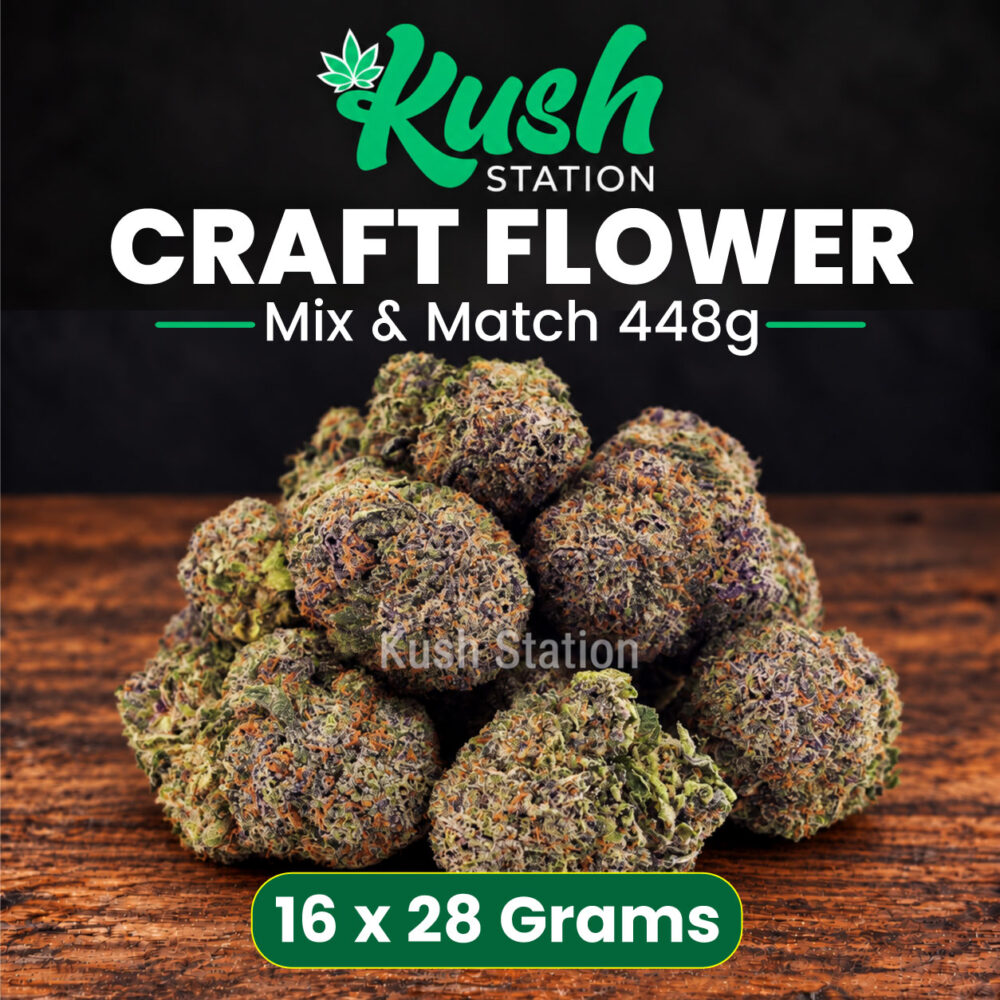
One of the most exciting developments in the industry is the rise of micro-lot cannabis. These are small, carefully controlled batches where every plant gets individual attention. In a micro-lot operation, a grower might tend to just a few dozen plants at a time. That allows for precise pruning, optimal light exposure, and early detection of any issues. The result is a consistency that large-scale operations struggle to match.
Limited drops add another layer of appeal. When a grower releases a new batch of boutique strains, there is a sense of discovery. You are not buying a generic product that will sit on shelves for months. You are getting something fresh, often harvested and cured within a specific window. That freshness preserves volatile terpenes that degrade with time. The first time I opened a jar from a limited drop, the aroma hit me with notes of pine and citrus that I had never experienced from older stock. It was a reminder that freshness is not a luxury - it is a fundamental part of quality.
The Role of Hand-Trimming and Curing
Mechanical harvesters save time, but they also beat up the trichomes. Hand-trimming is slower and more expensive, but it preserves the delicate resin glands that contain most of the cannabinoids and terpenes. For premium craft cannabis, hand-trimming is the standard. Workers use curved scissors to snip away excess leaf without disturbing the flower structure. It is painstaking work, but the difference is visible under a loupe. The trichomes stay intact, and the flower retains its full potency and aroma.
Curing is equally important. After drying, the flower is sealed in containers and allowed to breathe over weeks or months. During curing, chlorophyll breaks down and starches convert to sugars. The smoke becomes smoother, and the flavors become more pronounced. Many craft growers cure their flower for at least thirty days, sometimes longer. That patience separates a good product from a truly great one.
Finding the Right Balance: Indica, Sativa, and Hybrid
Part of the appeal of craft cannabis is the variety it offers. Large commercial operations tend to focus on a handful of high-yielding strains. Craft growers, on the other hand, experiment with a wider range of genetics. You will find classic indica landraces alongside modern hybrid crosses, each with its own distinct personality.
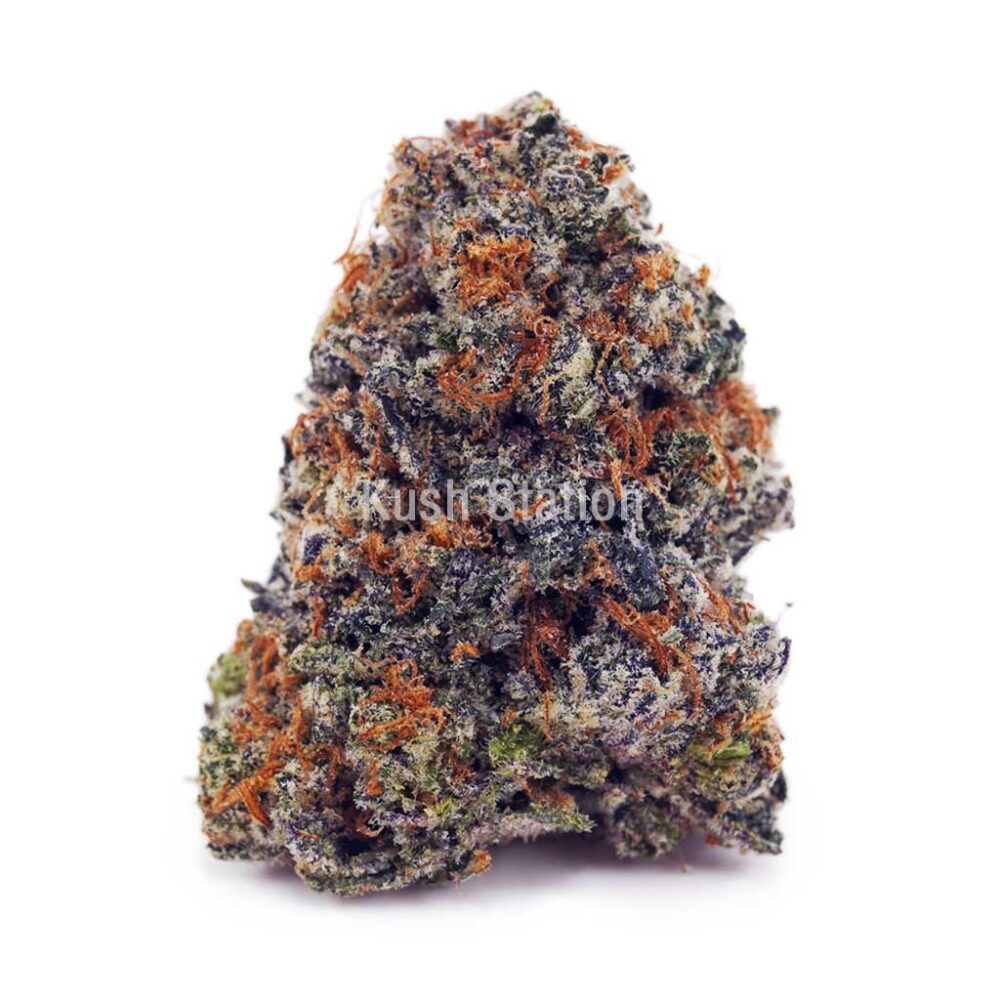
Indica strains from craft growers often have a deep, earthy profile with notes of spice and berries. They are known for their calming, body-focused effects. Sativas, in contrast, can be bright and uplifting, with citrus or floral notes that energize the mind. Hybrids combine elements of both, offering a balanced experience that works well for social settings or creative work. Understanding these differences helps you choose the right product for the moment. A heavy indica might be perfect for unwinding at the end of the day, while a sativa-dom hybrid could be better for a morning walk or a creative project.
Beyond Flower: Hash and Prerolls
While flower is the heart of any craft operation, many growers also produce hash and prerolls from their best material. Hash made from hand-trimmed trichomes offers a concentrated experience that preserves the original plant's terpene profile. It is a different way to appreciate the grower's work, especially when paired with a glass jar of the same strain for comparison.
Prerolls from craft producers are often rolled by hand with whole flower, not the floor sweepings sometimes found in commercial options. A well-made preroll burns evenly and tastes clean from start to finish. I have had prerolls from a craft producer that smoked better than many bowls I packed myself. That level of quality is rare, but it is becoming more common as the market matures.
Lab Testing and Transparency
Reputable craft growers invest in lab testing for every batch. Potency, terpene content, and residual solvent levels are all measured and recorded. Some producers share these results openly with customers. That transparency builds trust and allows you to make informed choices. If you are sensitive to certain terpenes or want to avoid specific pesticides, lab reports give you the data you need. For me, seeing a full panel of results on a batch I was considering made the purchase feel less like a gamble and more like an informed decision.
Curated Bundles and Sustainable Packaging
One practical way to explore craft cannabis is through curated bundles. These bundles group several strains together, often from the same grower or region. They let you sample a range of terpene profiles and effects without committing to a large amount of any one strain. I have found that trying a bundle is a great way to discover new favorites. It also mirrors the farm-to-table philosophy: you get to taste what a particular grower does best, all in one delivery.
Sustainable packaging is another hallmark of craft operations. Many growers use glass jars instead of plastic, and they encourage customers to reuse or recycle them. Some even offer discounts for returning jars. That approach reduces waste and aligns with the values of many consumers who care about environmental impact. Kush Station, for example, emphasizes sustainable packaging and offers its products in glass jars that protect the flower from light and air, preserving freshness longer than plastic ever could.
Making the Switch
If you are used to standard commercial cannabis, switching to premium craft cannabis can feel like a revelation. The flavors are more distinct, the effects are more nuanced, and the whole experience feels more intentional. It costs a little more, but the difference in quality is easy to justify. You are paying for better genetics, more careful growing, hand-trimming, proper curing, and transparent lab testing. All of that adds up to a product that performs consistently and tastes like the grower intended.
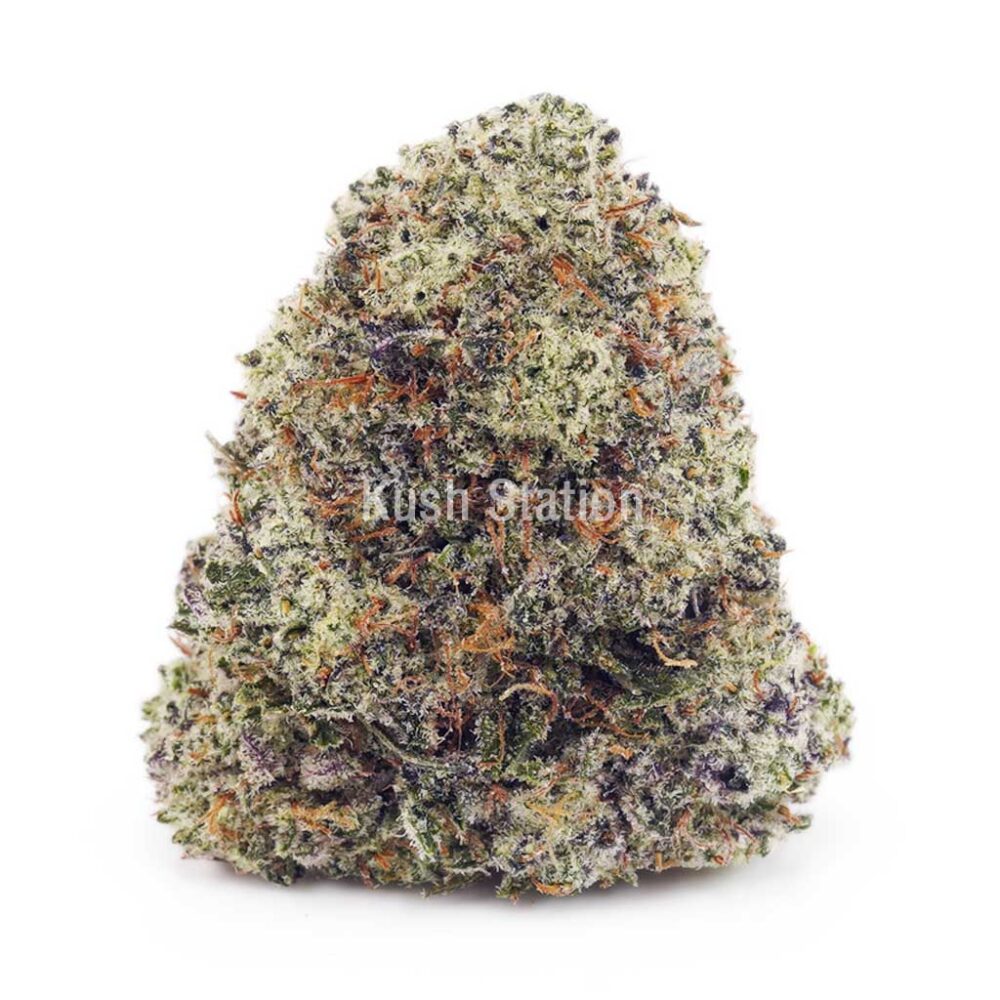
Start small. Pick up a single strain from a reputable craft producer and compare it side by side with something you already know. Pay attention to the aroma, the texture, the burn, and the finish. You will likely notice details you never thought to look for. That is the point. Craft cannabis invites you to slow down and appreciate the plant on a deeper level. And once you do, it is hard to go back.